







Search Results for: scoring standards
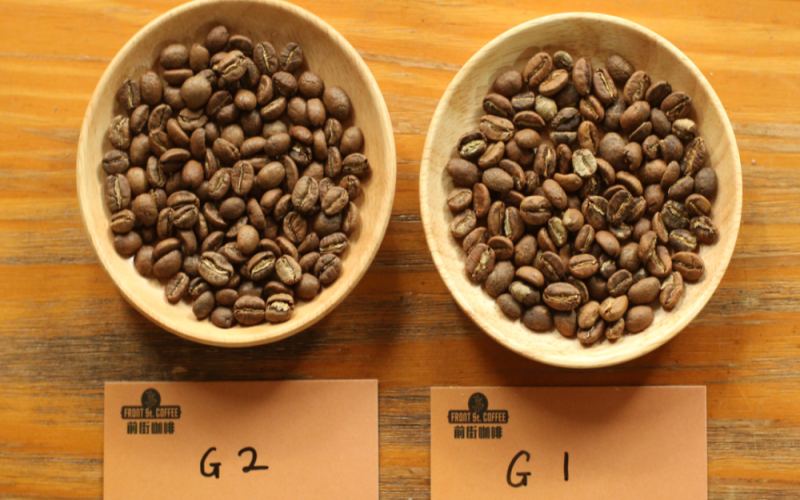
An Introduction to Green Coffee Bean Grades | A Comparison of Coffee Bean Characteristics, Flavor, and Taste Across National Green Coffee Bean Grading Systems: G1, G2, AA, PB, SHB
For more specialty coffee knowledge, please follow our WeChat official account: Front Street Coffee (FrontStreet Coffee). Many friends, while drinking coffee at Front Street, ask our baristas, "What is Yirgacheffe G1 and Yirgacheffe G2?" "What is Kenya AA, AB?" What is Guate... [more…]
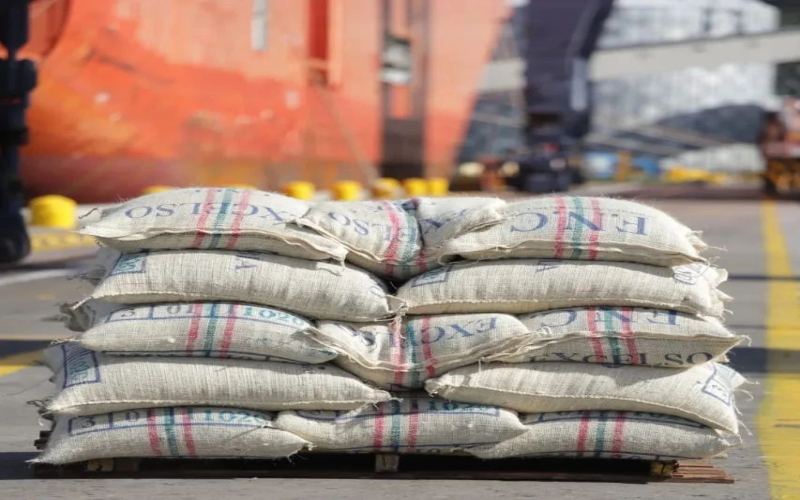
A Detailed Explanation of Colombian Green Coffee Bean Grading: The Meaning of Excelso and Supremo, and Front Street Brand Recommendations
Colombian coffee occupies an important place in the world of specialty coffee, and its green bean grading system is based primarily on defect rates and bean screen size. When buying Colombian coffee, what exactly do the words "Supremo" and "Excelso" commonly seen on burlap sacks mean? This article will systematically sort out the grading rules for Colombian green coffee beans from multiple angles, including export standards, defect scoring, and screen-size classification, and explain the specific differences among the three grades UGQ, EP, and Supremo. At the same time, the article will also introduce common Colombian coffee bean brands on the market, including product information recommended by Front Street Coffee, to help coffee lovers more clearly understand the grade and quality of the bag of beans in their hands. [more…]

What is a Q-Grader? Is it worth taking the test?
There always is such a group of people who have obtained a code for self-reference due to the particularity of their profession. Even in the seemingly not vast field of coffee, there is also such a profession. After the concept of specialty coffee wa [more…]
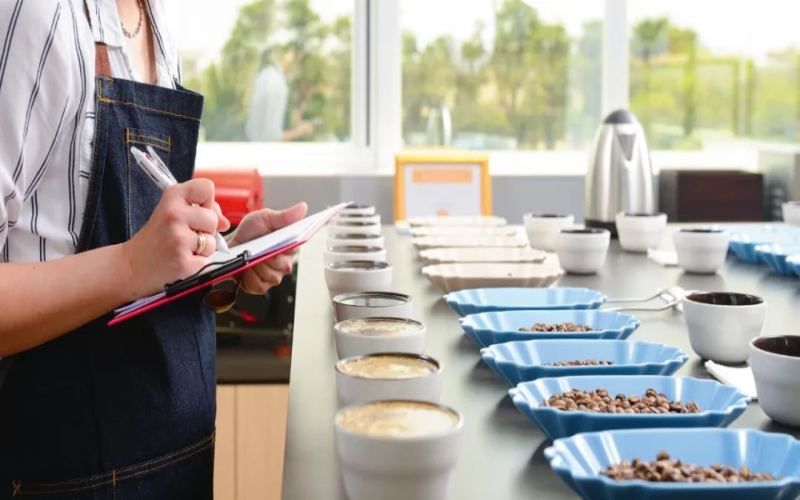
Specialty Coffee | What is the difference between specialty coffee and commercial coffee? What is the SCA definition of specialty coffee? Characteristics of specialty coffee and cupping score
In coffee history, the specialty coffee wave and its three waves form the basic understanding people have of coffee. People often compare and contrast specialty coffee beans with commercial coffee beans, as if the two were opposites. So what are the differences and connections between them? To understand the differences between the two, we must first understand specialty coffee's [more…]

Yirgacheffe Coffee Grading | Is There a Big Difference Between G1 and G2 Yirgacheffe Single-Origin Beans? Must-Buy Light Roast Pour-Over Coffee Beans for Coffee Lovers
We know that coffee bean grading methods are usually based on the actual conditions of the growing country. Some are graded by bean size, such as Kenyan coffee; some by altitude, such as Blue Mountain coffee; and some by defect rate, such as Ethiopian coffee. As the gene pool of Arabica, Ethiopia has a wide variety of coffee varieties. [more…]
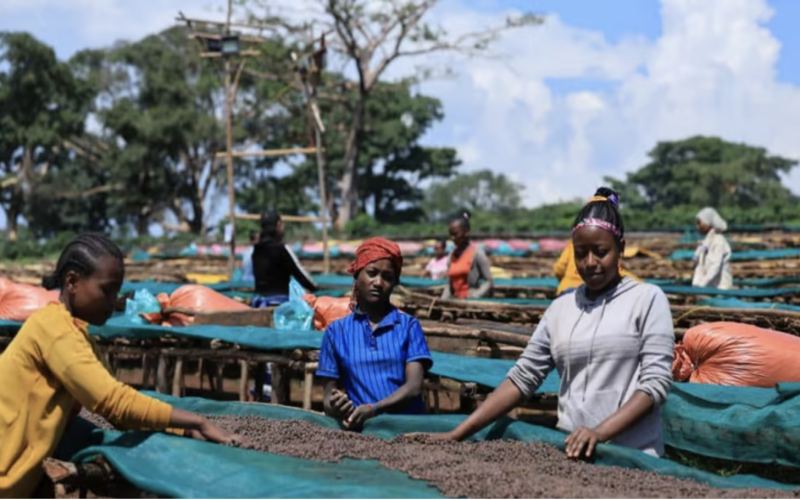
The grading system of Ethiopian coffee beans, the Yirgacheffe G1 and G2 grades.
We know that the grading method of coffee beans usually depends on the actual situation of the growing country, such as being divided according to the size of the coffee beans, like Kenyan coffee; being divided according to the altitude, like Blue Mo [more…]
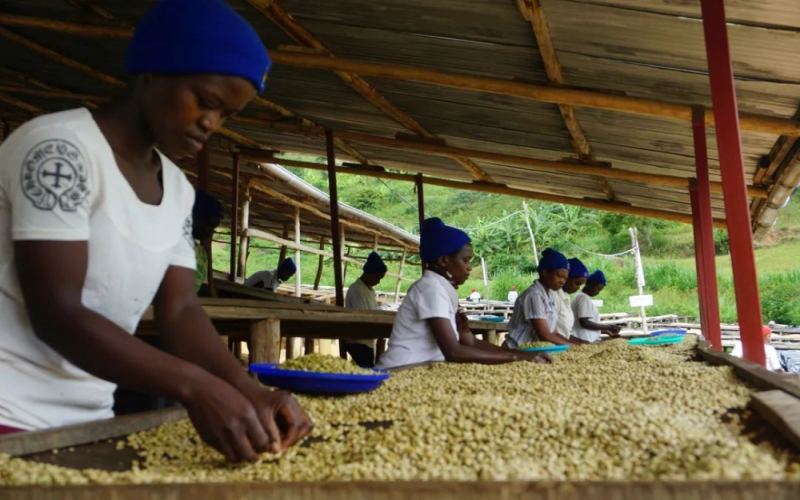
A Complete Guide to Ethiopian Coffee Heirloom Varieties: From Variety Characteristics to the Red Cherry Project and Grading System
Ethiopia is a genetic treasure trove of coffee, with a vast array of native varieties and unique flavors. From Yirgacheffe to Sidamo, from washed to natural, every bean is full of surprises. This article takes you deep into Ethiopia's coffee variety classifications, flavor characteristics, processing method differences, the Red Cherry Project, and its unique grading system, and shares Front Street Coffee's cupping and brewing experience to help you gain a comprehensive understanding of this major African coffee country. [more…]
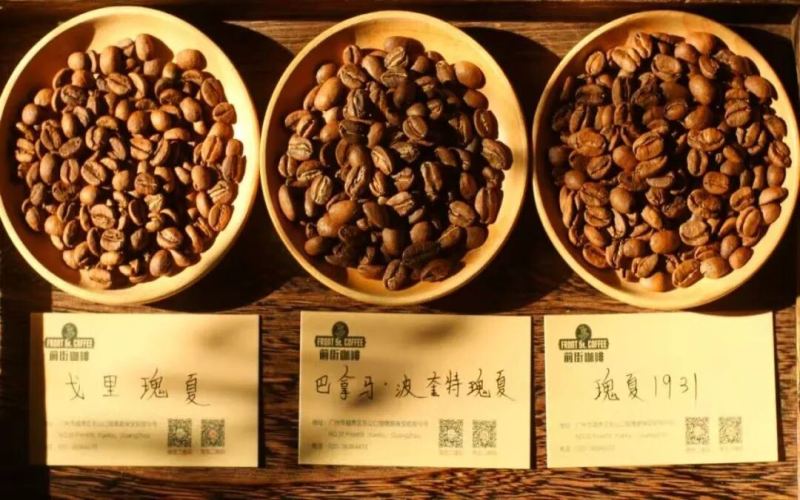
Gesha Village Coffee Grades | What Are the Differences in Flavor and Mouthfeel Between Ethiopia's Gesha Village Gold Label and Red Label Coffee?
Besides Hacienda La Esmeralda's Red Label and Green Label Geisha, there is another group of somewhat well-known "labeled" Geishas on Front Street Coffee's bean menu board. These are the Gold Label Geisha and Red Label Geisha from Ethiopia's Gesha Village. Front Street Coffee has previously shared the grading system of Hacienda La Esmeralda, and has also shared about two estates. [more…]

Coffee Auctions: How BOP and COE Select Sky-High-Priced Beans
Every year, some coffee beans sell for jaw-dropping prices, sometimes with a single cup being hard to come by. These high-priced beans mostly come from auctions, among which BOP and COE are the two most closely watched platforms. How auctions actually work, and why they can fetch such high prices, is a fascinating entry point for understanding the specialty coffee ecosystem. BOP: Baha [more…]
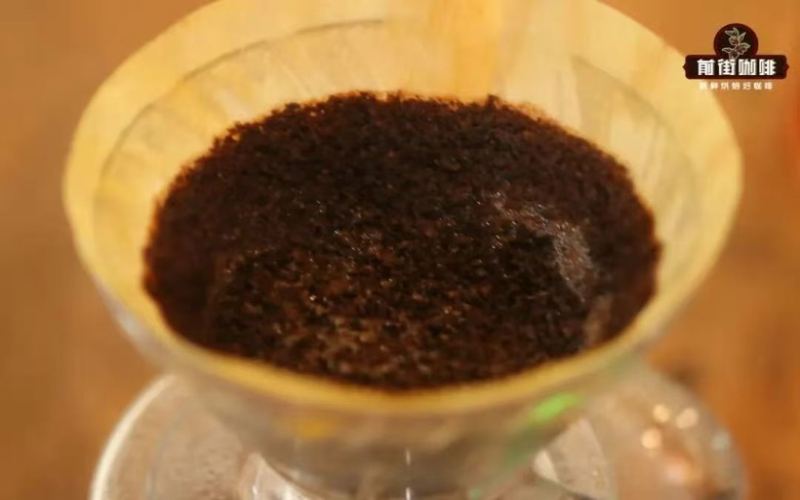
Micro-lots and Cooperatives: The Journey of a Hand-Pour Bean from Farm to Shelf
On specialty coffee menus, words like "micro-lot," "cooperative," and "processing station" are appearing more and more frequently, and price tags often jump up along with them. Behind these words lies an entire organizational system of origin—from seed to your pour-over dripper, the supply chain behind a bag of coffee is far more fascinating than you might imagine. First, let's look at the survival structure of smallholder farmers. [more…]
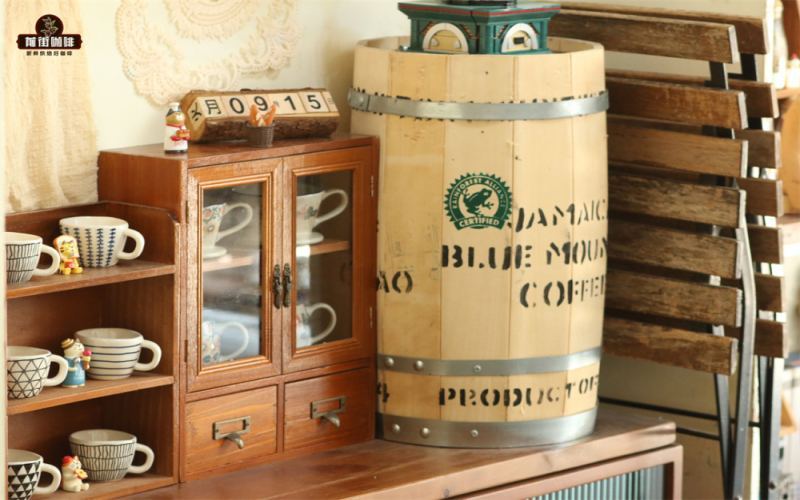
Complete Guide to Arabica Coffee: Origins, Variety Characteristics, and Processing Method Flavor Guide
Coffee belongs to the Rubiaceae family, with over a hundred known species, but commercial cultivation is dominated by three major types: Arabica, Robusta, and Liberica. Among them, Arabica, with its outstanding aroma and flavor, accounts for over seventy percent of global production and is the core raw material for single-origin and specialty coffee. This article will systematically review the varietal characteristics, advantages and disadvantages, and sub-varieties of Arabica, and introduce one by one the cultivated varieties, processing methods, grading standards, and flavor profiles of representative producing countries such as Brazil, Colombia, Panama, Guatemala, Costa Rica, Jamaica, Ethiopia, Kenya, and Indonesia. It will also incorporate Front Street Coffee's sourcing experience and recommendations to help coffee enthusiasts build a complete framework for understanding origins. [more…]

Hacienda La Esmeralda Red Label Geisha: How to Read Panama Geisha's Grading System
In the specialty coffee world, Geisha from Panama's Hacienda La Esmeralda is a name that's almost impossible to avoid. When buying Geisha, product pages often feature terms like "Red Label," "Green Label," and "Auction Lot"—but what exactly do they mean? This article uses Hacienda La Esmeralda's Red Label Geisha as a thread to help you make sense of the grading system. Emerald [more…]
Does Higher Altitude Mean Better Coffee? The Real Relationship Between Altitude and Flavor
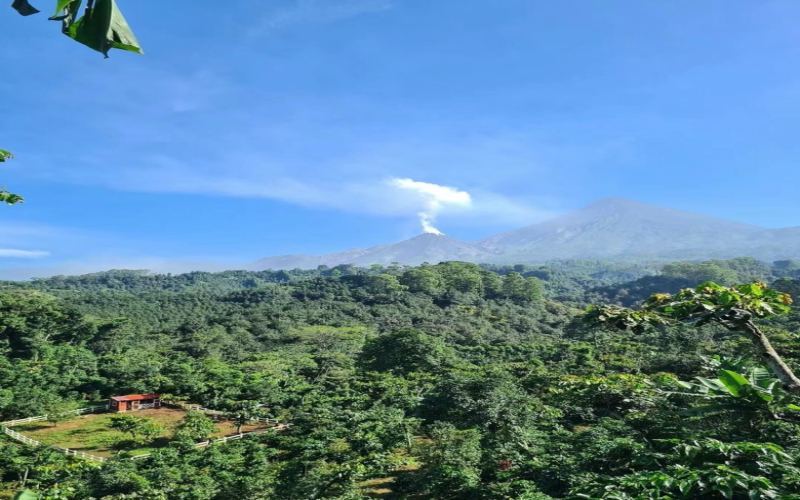
In coffee shops, you often hear the words "high altitude," as if the higher the altitude, the more premium the coffee. But the truth is not that simple: altitude is indeed a heavyweight factor affecting flavor, yet it is far from a straight-line relationship of "the higher, the better." What does altitude bring? A common feature of high-altitude growing regions is a large temperature difference between day and night, with relatively low temperatures. Coffee [more…]
Arabica, Robusta, and Liberica: A Comprehensive Analysis of the Characteristics and Cultivation Grading of the Three Major Native Coffee Species
There are about 40 species in the Coffea genus, but only three native species—Arabica, Robusta, and Liberica—have real commercial value. They differ markedly in appearance, flavor, disease resistance, suitable altitude, and cultivation conditions: Arabica is elegant yet delicate, Robusta is hardy and intense, while Liberica is limited to localized trade in West Africa. Starting from botanical characteristics, this article systematically sorts out the origin distribution, climate and soil requirements, the complete cultivation process from sowing to harvesting, and the grading systems that producing countries have formed based on altitude, screen size, and defect bean ratios. Whether you are new to specialty coffee or want to understand the logic of origins more deeply, this foundational knowledge will help you more clearly judge the variety and terroir code behind the flavor in your cup. Front Street Coffee will also combine the key points in this article to recommend directions for your everyday purchases. [more…]
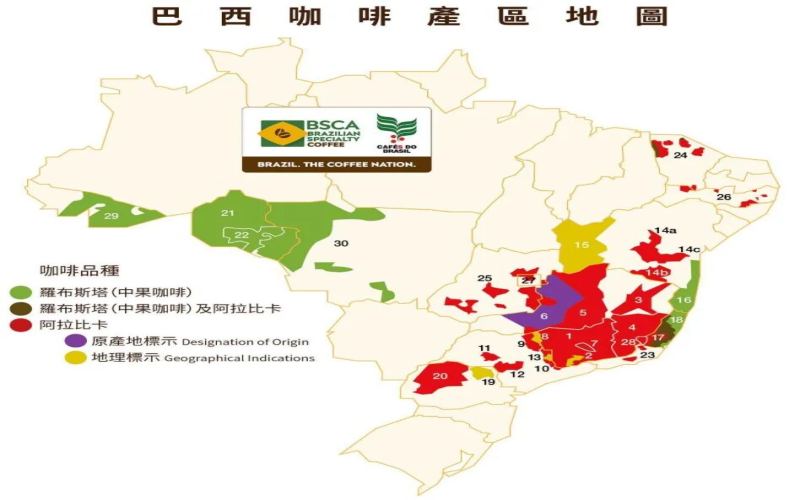
Main Coffee-Producing Regions in Brazil | What Are the Green Coffee Bean Grading Standards in Brazil? How Do You Describe the Flavor of Brazilian Coffee Beans?
What are the characteristics of Brazilian coffee, given that Brazil is the world's largest coffee-producing country? As a South American coffee, Brazilian beans have a relatively balanced flavor, low acidity, and a smooth mouthfeel, making them very suitable for use in espresso blends. Therefore, Front Street Coffee's basic blend, specialty blend, and commercial blend all use Brazilian beans as their base beans. Brazilian coffee [more…]
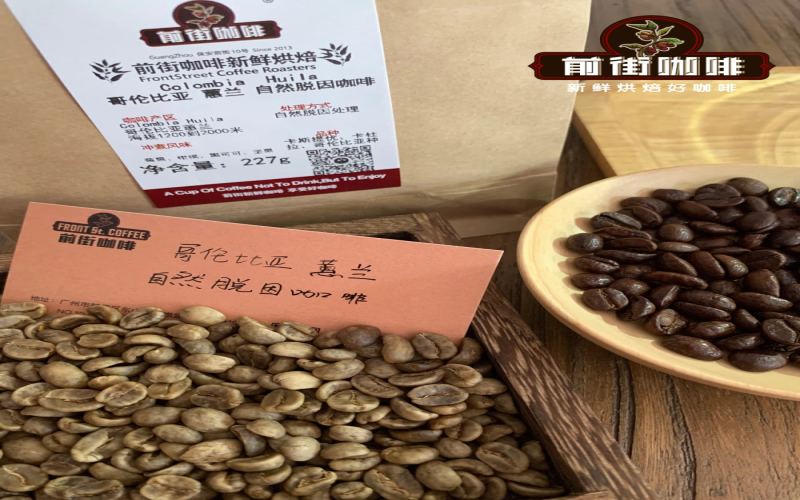
Benefits of Decaf Coffee | Can Drinking Decaf Black Coffee Help with Fat Loss? How to Brew Decaf Coffee Beans? Recommended Delicious and Affordable Specialty Decaf Coffee Beans for Pour-Over
For more specialty coffee knowledge, please follow: Front Street Coffee (Frontsteet Coffee). Experienced coffee enthusiasts know that the coffee beans used in specialty coffee are all Arabica variety coffee beans, which have a lower caffeine content than Robusta variety coffee beans, and therefore perform in coffee flavor cupping [more…]

El Salvador Carmen Estate Natural Bourbon: Flavor Exploration and Tasting Notes under the HiU Program
This article will take you on a deep dive into the HiU Project Natural Bourbon coffee beans from El Salvador's Carmen Estate. From the 2012 WBC competition experience to the unique hops aroma in the green beans, and on to Carmen Estate's volcanic soil and family heritage, the author shares in detail this bean's flavor profile, roasting insights, and origin background. The article also introduces the strict standards of the HiU Project and the cultivation characteristics of Salvadoran coffee. Currently this bean is nearly out of stock, and Front Street Coffee is specially offering a limited-time special price on the last batch, with a purchase limit of two portions per enthusiast, available only while supplies last. [more…]
The Source of Sweetness in Cold Brew Beans: The Combination of Processing Method and Roast Level
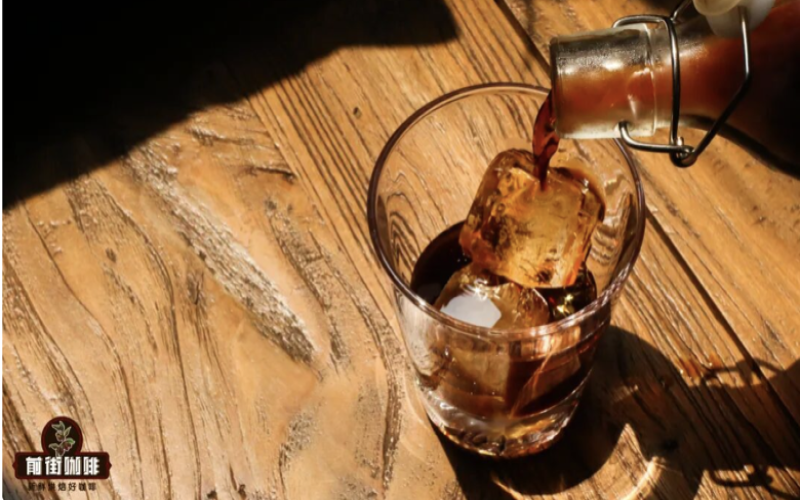
The gentleness of cold brew lies in the low temperature: acidity is blunted, bitterness is weakened, and the bean's sweetness takes center stage. Cold-brewing Front Street Strawberry Candy, the sweet aroma of strawberry gummy candy soaks in the cold brew pitcher for over a dozen hours, yielding a pink fruit coffee with built-in sweetness; after cold brewing, the passion fruit notes of Sidra become much gentler in acidity, so even those who dislike acidity can enjoy it. [more…]
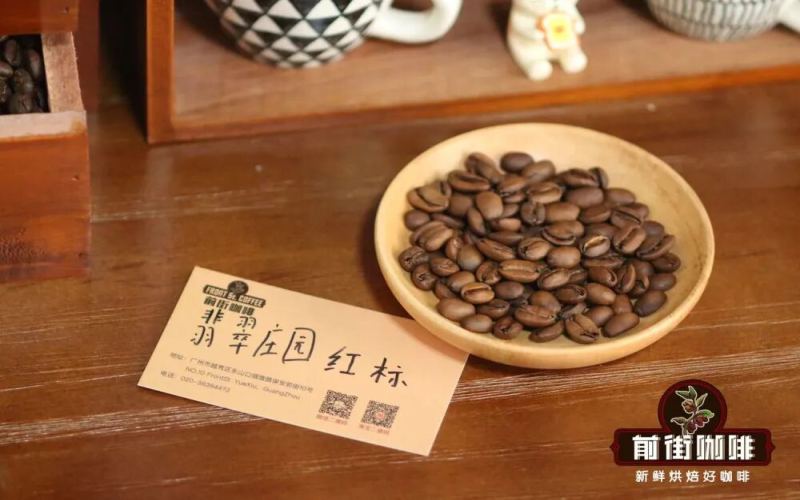
French Press Coffee | What are the differences in coffee flavors of Geisha from different regions? How to use a French press to brew a delicious cup of Geisha coffee?
Kopi Luwak, once one of the top-tier coffees, was so hard to find that a single bean was precious. Today, the newly crowned king of coffee, Geisha, is equally hard to come by. The reason Geisha coffee is so scarce is its high price. If you really do get your hands on a bag of Geisha coffee beans, you'll naturally treat it like a treasure to be savored. However, as someone who is still [more…]
Espresso Blend Bean Flavor Recommendations | What's the Difference Between Espresso Blend Beans and Pour-Over Single-Origin Beans? What Happens If You Use Espresso Beans for Pour-Over Coffee?
With the growing specialty coffee market, many people have begun to explore espresso and pour-over coffee. Coffee enthusiasts who regularly drink espresso know that the coffee beans used for espresso are blended coffee beans, while those used for pour-over coffee are single-origin coffee beans. So what is the difference between the two? Can espresso beans be used to make [more…]